The Reputation Tax: What Being Unknown Is Costing Your Business Every Single Month
By David Miller ·
Most business owners track their expenses carefully. Software subscriptions. Payroll. Office costs. Advertising spend. Every dollar that leaves the account shows up somewhere.
But there is one significant cost that never appears on any financial statement. It does not get flagged in a quarterly review. Nobody brings it up in a board meeting. And it is being paid by almost every business that has not invested in building genuine public credibility.
Call it the reputation tax. What you pay, invisibly and continuously, when your credibility does not match your capability.
What the Reputation Tax Actually Looks Like
The reputation tax shows up in specific, identifiable ways once you know what you are looking for.
It shows up in your sales cycle. A founder with strong media presence and a documented public profile closes deals faster than one who is unknown, even when their product or service is objectively better. The unknown founder has to spend the early part of every sales conversation establishing credibility that their public profile should have established in advance. That extra time is a cost. Multiply it across every sales conversation in a year and it becomes a significant one.
It shows up in your pricing. Businesses and individuals who are recognized authorities in their field command premium pricing that their less visible competitors cannot. When a client has seen your name in Forbes, heard you on a podcast they trust, or found multiple pieces of editorial coverage when they researched you, they arrive at a price conversation already convinced they are talking to the best option. That conviction makes them significantly less price sensitive. The unknown competitor has to compete on price because they have nothing else to differentiate them in the client's mind before the conversation begins.
It shows up in the opportunities that never arrive. The speaking invitation that went to someone else because the organizer found their media presence more convincing. The partnership conversation that started with a competitor because their name came up first in a relevant search. The investor introduction that happened for someone else because their credibility signals were stronger. These are invisible losses because you never know they happened. But they are real and they accumulate.
It shows up in your team. The best talent wants to work for companies and leaders they respect and believe in. A founder with a strong public profile attracts better candidates than one who is a stranger to the market.
Why Most Business Owners Accept the Reputation Tax
The reputation tax persists for most businesses because the cost is invisible and the solution feels optional.
Unlike rent, payroll, or software subscriptions, the reputation tax does not arrive as an invoice. You do not get a monthly statement showing you lost three deals because your Google search result was unconvincing, or that your average deal size is thirty percent lower than a competitor's because they have Forbes coverage and you do not. The cost is diffuse and distributed across dozens of interactions over months and years.
This makes it easy to deprioritize. There is always something more urgent than working on your public profile. A client deliverable. A product issue. A hiring decision. The reputation tax gets paid quietly in the background while the urgent things consume all the attention.
The businesses that stop paying it are the ones where a leader finally does the math on what it is actually costing them and decides the investment in fixing it is clearly worth making.
The Compounding Cost
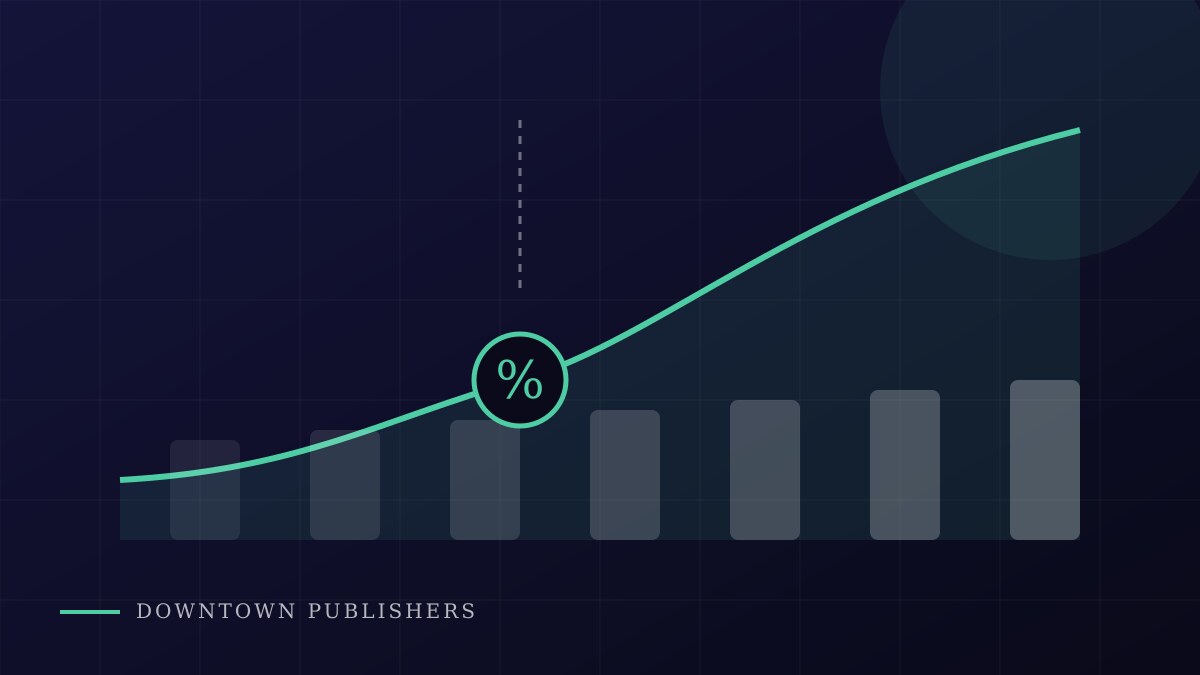
What makes the reputation tax particularly damaging is that it compounds over time rather than staying constant.
Every month that passes where a competitor is building editorial coverage and you are not is a month where the gap between their credibility and yours widens. Every feature they place in a respected publication makes the next placement easier to secure. Every podcast appearance they do opens doors to the next one. Their reputation is compounding in value while yours stays flat.
The business that decides to address its reputation gap in year three is not starting from where it would have started in year one. It is starting from three years behind a competitor who was investing in visibility the whole time.
This is why the most important time to address a reputation gap is always now rather than later. The cost of waiting is not just the continued monthly tax. It is the compounding advantage you are handing to competitors who are not waiting.
What Stopping the Reputation Tax Looks Like
Eliminating the reputation tax is not a single action. It is a sustained investment in the kind of public credibility that changes how your market perceives you before any individual conversation begins.
It means having editorial coverage in publications your target clients already trust. A feature in Forbes, Bloomberg, or Business Insider does not just make you look credible in isolation. It signals to every person who finds it that a credible editorial institution decided you were worth featuring. That signal transfers to every business relationship that follows.
It means having a personal or company profile that tells a coherent, compelling story across every platform where a potential client, investor, or partner might encounter you. LinkedIn, your website, your Google search result, your social profiles. All of them aligned and all of them reflecting the authority you have actually built.
It means showing up consistently in the places your audience goes to find expertise. Publications they read. Podcasts they listen to. Events they attend. Not as an advertiser but as a recognized voice worth paying attention to.
Investing in guaranteed media placements in Forbes, Bloomberg, Business Insider, LA Times, and 500+ top global publications builds the credibility signals that change how every business conversation starts.
The Question Worth Sitting With
If your business closed a deal yesterday, how much of the trust that made that deal possible came from your public reputation versus the conversation itself?
For most businesses the honest answer is that almost all of the trust had to be built during the conversation because the public reputation was not doing any of that work in advance.
Imagine those same conversations starting with the other party already half convinced. Already trusting. Already having decided you were worth taking seriously before you said a word.
That is what eliminating the reputation tax actually feels like.
The reputation tax is optional. Most businesses just never realize they are paying it until they see what business looks like without it.
Booking a free PR strategy call is the first step toward understanding what building genuine authority looks like for your specific business and goals.
Ready to Build Your Media Presence?
Downtown Publishers helps founders, executives, authors, and brands secure guaranteed editorial placements in Forbes, Bloomberg, Business Insider, and 500+ top global publications. Fill out the form at downtownpublishers.org/contact to get started.
Get in Touch